
MĀNUKA TRAIL
ŌTAUTAHI / CHRISTCHURCHABOUT MĀNUKA TRAIL
Mānuka Trail is an outdoor therapy programme for children who are inside ACC’s Sensitive Claims Service (SCS). This programme is carefully designed to offer trauma-responsive outdoor therapy for children.
Mānuka Trail is a collaboration between Adventure Specialties Trust and Visser and Associates in Ōtautahi Christchurch.
Download the brochure below or keep reading to find out more!


MĀNUKA TRAIL:
What is Mānuka Trail?
Mānuka Trail is a small group of up to eight children (all of a similar age).
The group is led by two facilitators – a qualified mental health professional (ACC-approved) and a highly experienced outdoor instructor.
The group meets every Wednesday for 8 weeks, and each meeting is a 2.5 hour morning session that takes place in the same outdoor location each week. Having the same location each time helps create a sense of safety, connection and familiarisation with the land.
KAUPAPA/PURPOSE
CHILDREN WILL EXPERIENCE HEALING THROUGH PLAY
With the help of Nature, we aim to inspire curiosity, awe and wonder, to help children feel connected to something bigger than themselves. We aim to provide opportunities to experience joy and fun, through creative endeavours, imaginative play, and movement.
CHILDREN WILL CONNECT WITH OTHERS AND EXPERIENCE A SENSE OF BELONGING
They may support a friend with a tricky weaving project, or help shift a heavy rock, or build a bridge over a creek. They will laugh, play, sing and eat to gether. They might quietly explore together, getting to know each other without the pressure to talk. Each child will discover their own strengths.
CHILDREN WILL BUILD SELF-WORTH, DEVELOP A POSITIVE SENSE OF INDENTITY AND FEEL EMPOWERED
They will have our support to make choices, set boundaries, and mastering new skills such as fire lighting, crafting, or recognising healing plants.
CHILDREN WILL LEARN WAYS TO COPE WITH PTSD
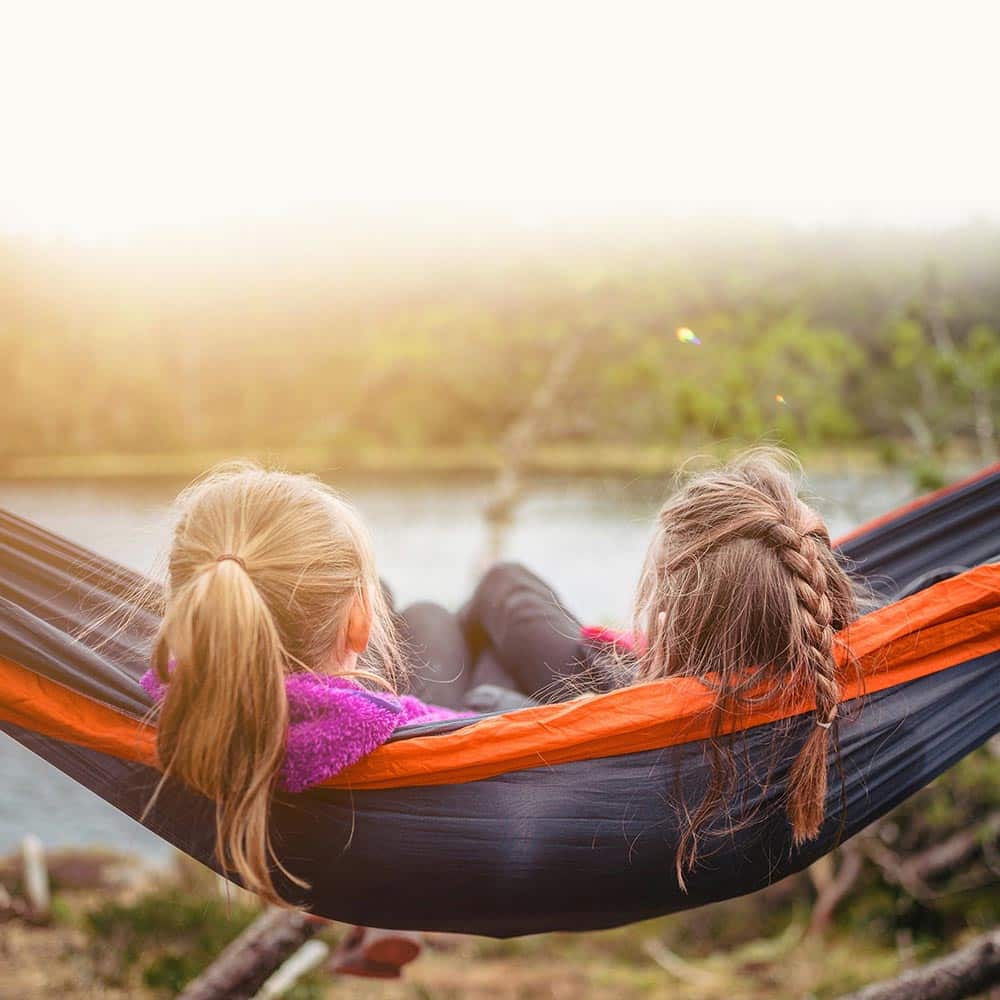
We support children as they learn and practice ways to reduce the symptoms and challenges that come with PTSD. For example, strengthening emotional intelligence (including non-verbal ways, such as nature art, movement-based play). They will learn and practice strategies such as sensory soothing and regulation, e.g. slow rhythmic activities like rocking in a hammock or wading through water.
Who is it for?
The Mānuka Trail is open to children who are clients in ACC’s Sensitive Claims Service.
To see which groups are coming up, please see Upcoming Programmes further down the page.
REQUIREMENTS
- Children must be in regular counselling or therapy with an SCS Lead Provider, with a Support to Wellbeing Plan in place. There must already be established goals for therapy, and this programme will offer a safe supportive environment to practice and develop these skills.
- The child must be interested in this programme and want to participate.
- Caregivers must be able to commit to their children attending all eight sessions (with exception to illness or exceptional circumstances). Lead Providers and caregivers work together to create a plan around reliable transport to and from programme. Please seek support from ACC as you would for attendance at regular therapy sessions.
- The Lead Provider determines that the child is in a stable and supported place to participate in the programme, and can access appropriate care outside of sessions.
- The child is considered by the Lead Provider and the by the Clinician from Adventure Specialties Trust to be a suitable match with other group participants, to ensure a safe and positive group culture.
Caregivers and Lead Providers will need to complete an enrolment form that includes giving medical information and consent. It is important to us that each child has a state of physical and mental health that allows for safe participation in this programme. This will allow our facilitators to choose appropriate activities for the group and support individuals accordingly. - Lead Providers and parents/caregivers will liaise with school to explain that this programme is a key component of the child’s therapeutic plan and it is designed to support their emotional, social, and behavioural development. We welcome the school’s input into the relevant sections of the enrolment form, and we encourage the children to share their weekly letters with all the trusted adults that support them.
RESTRICTIONS
- While we are able to accommodate many physical constraints, we are unable to accept participants with severe medical conditions or injuries that pose a risk when engaging in outdoor adventure activities.
- Additionally, we cannot accept individuals currently experiencing psychosis, or those who are unable to understand and follow basic safety instructions due to intellectual ability or psychological state.
- We are unable to accept individuals who are actively suicidal, experience strong and frequent suicidal ideation, or who pose a potential risk to others.
- Children who have a history of both experiencing AND engaging in harmful sexual behaviour will need specialized support beyond the scope of this programme.
Location
All of the sessions will take place in the same outdoor location, to create a sense of safety, connection and familiarisation with the land.
Our Christchurch clinician will let you know where the outdoor location is, once your enrolment process has been completed.
WHAT HAPPENS IN THE SESSION?
CONSISTENCY
A gentle rhythm and routine will be established, providing consistency and smooth transitions between activities, and consistency between time at home/school/with caregivers and time on the programme.
A WARM WELCOME
Each session begins with a warm welcome and activity options as children arrive and get comfortable in the space. We then open with karakia and a group check-in to connect with each other and see how everyone is feeling. A shared morning kai follows, leading into a story that introduces wellbeing and therapeutic concepts in a way children can relate to. Facilitators use this story throughout the session to support individual and group interactions.
CHILD-LED PLAY
Children then engage in child-led play and exploration, with optional activities provided to help them transition into play. These may include:
Physical activities (like hut building and fire lighting),
Sensory experiences (like making mud pies or insect hunting or swinging in a hammock), or
Creative tasks (like weaving or charcoal drawing).
PROGRESSION
As the weeks progress, children will become more familiar with the space and each other, and facilitators can encourage them to take the lead in choosing how they play. Facilitators can support children by helping them make choices, develop skills, express their feelings, and build trusting relationships.
REFLECTION
Towards the end of each session, we gather for a group game and activity, followed by journal time, where children reflect on their experiences by drawing or writing. The session ends with karakia before caregivers arrive to take them home.
WORDS OF ENCOURAGEMENT
After each session, facilitators write a letter to each child, summarising the day’s activities and offering encouragement. These letters can be kept in their journals and then shared with protective adults or therapists, to strengthen connections. If concerns arise about a child, facilitators will check in with them and follow up with their safe adult or Lead Provider during the week.
SUPPORT FROM TRUSTED ADULTS
In the first and last sessions, a trusted adult is invited to join each child for part of the session, to support their transition and help the child share their transition and help the child share their experiences.
Our Approach
OUR APPROACH
This programme draws on several different Outdoor and Theoretical approaches: Adventure Therapy, Nature Therapy, Forest schools and “Nature Play” are some of these.
For us, this means we provide an outdoor environment where children engage in child-led, inquiry-based, and play-focused activities.
All our programmes follow a strengths-based approach, emphasizing children’s resilience and ability to drive their own learning and recovery.
We also are therapeutically oriented, integrating psychological and emotional healing within these experiences. For us, Nature is not only our setting, but is utilised as a tool for processing emotions, building self-regulation, and supporting trauma recovery.
CHALLENGE BY CHOICE
Challenge is definitely a part of our programme, and each activity will challenge everyone in a different way. Challenge can be good for us!
A choice-based environment supports children who have experienced abuse and the resulting powerlessness. In our setting, children are able to choose activities they would like to engage with such as art, sensory exploration or physical activities, and be involved in group projects, like building a dam, where their contribution is valued.
SUSTAINABLE GAINS
A sustainable healing practice is one that can be incorporated (by the child and their supporters) into every aspect of a child’s life. This might include games, activities, metaphors or strategies, and encouragement to find similar spaces at home or school.
We will support this with letters that show and remind children of what they’ve done each session. We will also encourage home play and invite caregivers to the final day to see all of this in action.
A TRAUMA-INFORMED APPROACH WITH CHILDREN
We understand the need for emotionally attuned adults who prioritise co-regulation, non-verbal connection, and playful interactions.
Our trauma-informed approach is to meet children where they are developmentally, and see any challenging behaviour as deep-seated fears and survival instincts. There are many examples in our setting that support a restoration of this sense of belonging and relationship, such as group rhythms and rituals, and collaborative projects.
We believe that trust can slowly be restored through repair and safe conflict resolution. For example, time alongside an attentive adult who invites restorative conversations in nature, or invites symbolic repair (e.g. rebuilding a fallen shelter).
A SAFE AND SUPPORTIVE ENVIRONMENT
First and foremost, it is a priority that that this group is a safe and supportive environment for all people.
Obviously, physical safety is important when doing outdoor activities! We have qualified outdoor instructors and a safety management system that is audited and registered with Worksafe NZ. We require that participants follow our safety rules.
‘Safe’ also means emotional safety. We put significant time and energy into building a group environment with healthy dynamics and healthy relationships. Activities are sequenced in a way that allows for safety to be firmly established in the group before doing activities that require higher levels of trust. We work hard to build a culture where children can talk openly, feel supported, and can be themselves, no matter what culture, gender, sexuality, age or personality they have.
We ensure that there are various options for physical shelter, to allow us to shelter from bad weather, and also for privacy and feelings of safety and containment.


WHY IS IT CALLED MĀNUKA TRAIL?
The name Mānuka Trail embodies the essence of the outdoor therapy group by symbolising healing, resilience and connection to the natural world.
The Mānuka tree is a native plant of Aotearoa and is renowned for its medicinal properties, reflecting the programme’s therapeutic aim of supporting children’s recovery from trauma.
The concept of a trail represents a journey – one of exploration, discovery and healing – where children move at their own pace, supported by attuned adults and the restorative power of nature.
Mānuka Trail reflects a holistic, strengths-based approach to wellbeing that integrates play, movement, social connection and relationship with the natural environment as key elements in trauma recovery.


FACILITATORS
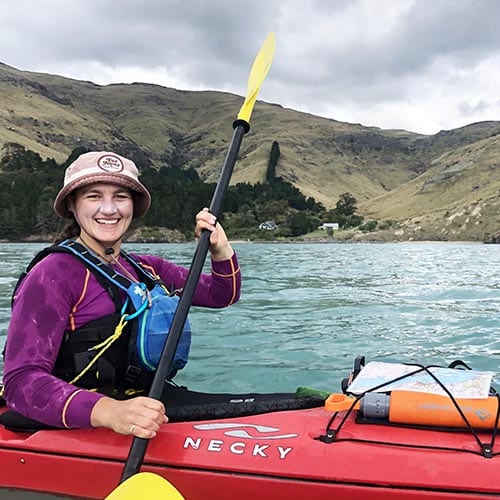
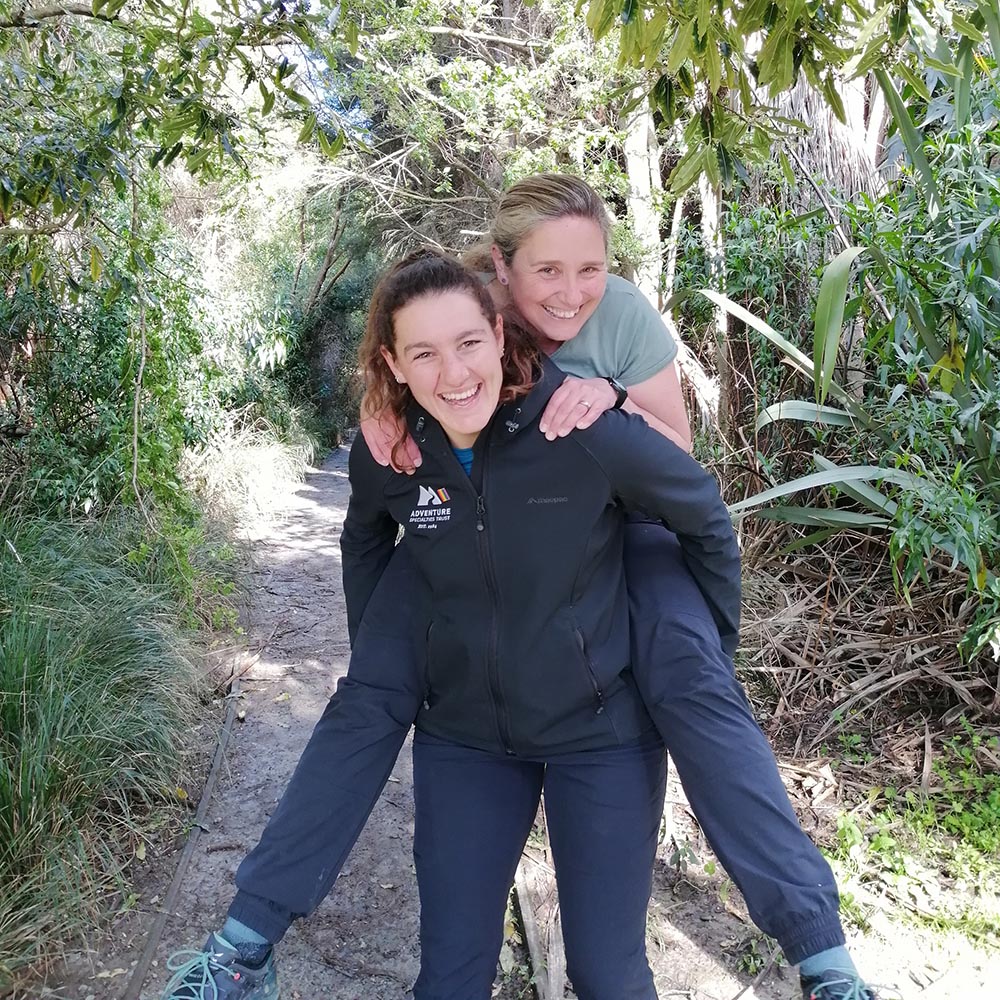
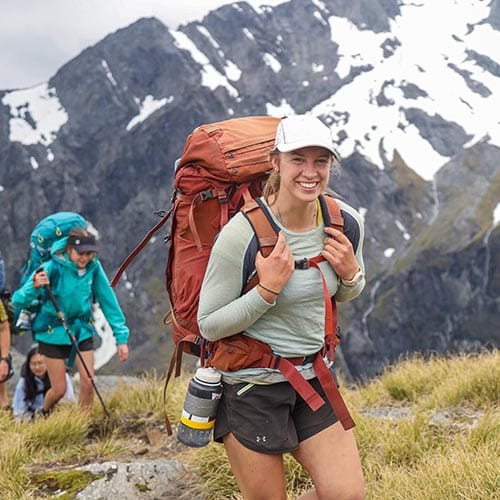
Our Mānuka Trail programmes are run by a qualified mental health professional and an experienced outdoor instructor.
PROGRAMME OUTCOMES
A Focus on Wellbeing
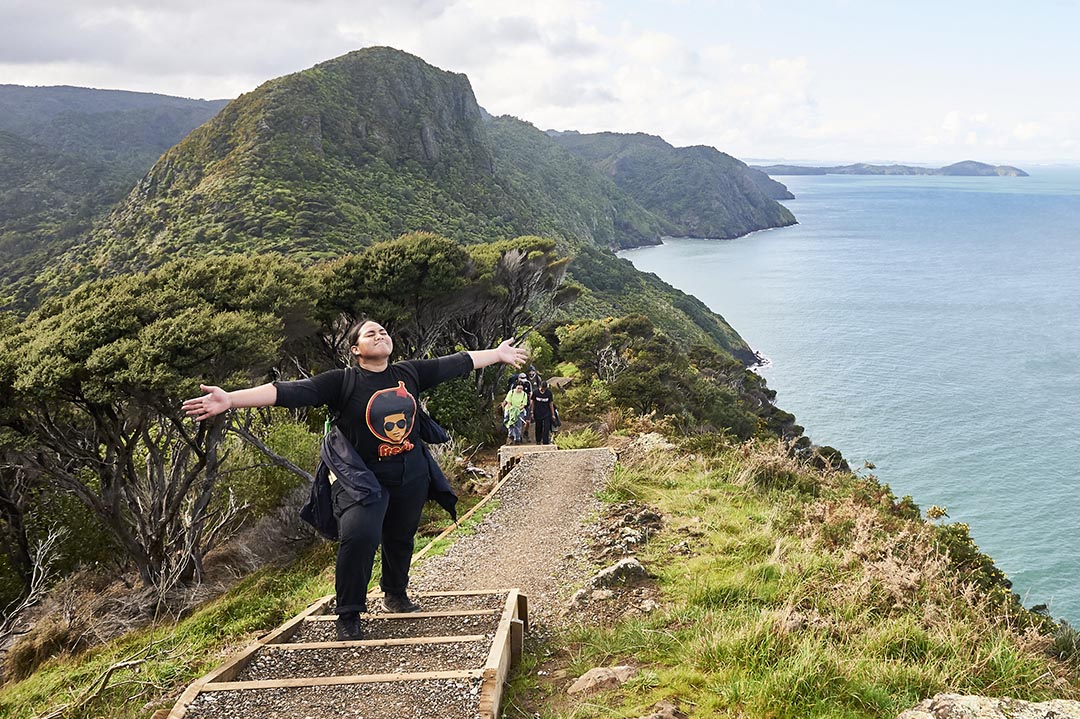
At Adventure Specialties Trust, all of our programmes focus on hauora/wellbeing.
We define wellbeing as a holistic state where we can thrive physically, mentally, socially, spiritually and in relation to the land and the natural environment. It's about having the energy to engage full in life, with the mindset to navigate challenges and celebrate successes. We have strong connections with others, a clear sense of identity and purpose, and a deep relationship with nature.
Wellbeing is the foundation for living a meaningful and balanced life.
Wellbeing Framework
When we are designing our programmes, we use a wellbeing framework based on Te Whare Tapa Whā (the house with four walls).
Te Whare Tapa Whā is a Māori model of holistic health developed by Sir Mason Durie, a renowned psychiatrist, professor of Māori Studies and advocate of Māori hauora/wellbeing.
Each of the four walls of Te Whare Tapa Whā (described below) is an important part of hauora/wellbeing. At Adventure Specialties Trust, we weave these wellbeing 'walls' into our programmes in a variety of ways.

TE WHARE TAPA WHĀ
TAHA TINANA / Physical Wellbeing
Our Taha Tinana allows us to feel healthy, energetic, motivated, and physically capable of pursuing activities that bring joy, connection, and satisfaction to our days.
HOW THIS LOOKS IN THE OUTDOORS:
Outdoor activities challenge and strengthen our bodies, promoting fitness, resilience and confidence. Physical movement, especially outdoors in nature, supports overall health, wellbeing and energy levels.
TAHA WHĀNAU / Social Wellbeing
Taha Whānau is about feeling a sense of belonging, connection and confidence in our relationships with others. It includes a belief that people can be kind, trustworthy and safe, as well as the ability to work collaboratively with others.
HOW THIS LOOKS IN THE OUTDOORS:
Adventure builds teamwork, trust and belonging. Shared challenges strengthen relationships and provide a supportive space for growth, healing and connection.
TAHA HINENGARO / Mental and Emotional Wellbeing
Our Taha Hinengaro allows us to feel balanced, hopeful, and positive about the future, with the capacity to navigate life’s challenges and celebrate its joys while nurturing a sense of self-compassion and self-worth.
HOW THIS LOOKS IN THE OUTDOORS:
Time in nature reduces stress and enhances mental clarity, emotional resilience and self-awareness. Adventure activities encourage participants to challenge themselves which helps them develop courage and self-confidence.
TAHA WAIRUA / Spiritual Wellbeing
Taha Wairua is about feeling a strong sense of self, identity, and connection to our faith, beliefs, culture, values, and purpose. It provides a foundation of meaning and direction.
HOW THIS LOOKS IN THE OUTDOORS:
Being outdoors in nature fosters a sense of wonder, connection and purpose. Outdoor experiences deepen spiritual awareness, whether through faith, nature or personal reflection.
TE WHENUA / The Land
Te Whenua is the foundation of Te Whare Tapa Whā. Connection to Te Whenua is about a sense of belonging in te taiao, the natural world, and drawing on that connection to support our wellbeing. It includes experiencing awe and wonder in natural spaces, fostering a sense of responsibility to protect and care for the Earth.
Programme Outcomes
How do we know if we have had a positive impact on our participants?
At the end of our programmes, we ask participants to fill in an 'Outcomes Evaluation' form, so that we can measure the impact of our programme on their hauora/wellbeing. At the end of each year, we analyse the results to see where participants have experienced personal growth, and where we can improve our services to support them better.
Read our annual Impact reports to see the stats and read about the positive impact that our programmes have on the participants.
UPCOMING PROGRAMMES
Term 4, 2026
- Once a week for 6 weeks
- On Wednesdays
- Starting 21st October
- Finishing 25th Nov
- Subject to minimum numbers
>>> Enrolments open now
Term 1, 2027
- Dates TBC
>>> Register your interest
Term 2, 2027
- Dates TBC
Term 3, 2027
- Dates TBC
ENROLMENT PROCESS
We are working on our enrolment process to make it as simple and stress-free as possible. If you come across anything that could be changed/improved, we would love your feedback. Please contact info@adventurespecialties.co.nz.
Enrolment Process:
1. Decide if Mānuka Trail is a good fit
For parents:
If you would like your child to attend Mānuka Trail, please contact your child’s ACC Lead Provider and ask them to begin the enrollment process.
For ACC Lead Providers:
Please read the info about Mānuka Trail in the “About” section above to figure out if this programme would be suitable for your ACC SCS client.
If you are still not sure, please contact Anneke, our Clinical Lead, if you still have questions.
Anneke Beardsley (info@adventurespecialties.co.nz or 027 397 3057)
If you feel confident that your client meets eligibility criteria and is committed to participating in the Mānuka Trail programme, please complete the PDF enrolment form (alongside your client/client’s parents). This form is can take 30-40 mins to complete.
Please note that Mānuka Trail is subject to minimum numbers.
2. Enrol
If you feel confident that your client meets eligibility criteria and is willing to participate in the Mānuka Trail programme, please complete the PDF enrolment form (alongside your client/client’s parents). This form is can take 30-40 mins to complete.
Please note that Mānuka Trail is subject to minimum numbers.
3. Apply to ACC for a purchase order
The next step is to apply to ACC for approval and get a Purchase Order for your client.
See below for a sample letter with goals and rationale for Adventure Therapy programmes:
PURCHASE ORDER DETAILS:
Clinician: Anneke Beardsley (ACC provider: PAQ155)
Supplier: Martin Visser / Visser & Associates (ACC supplier: G09948)
Hours needed: SCSGTTx1 and SCSGTx32
SAMPLE LETTER:
I am writing to request approval for [YOUR CLIENT]’s participation in the ‘Mānuka Trail’ Trauma-
Responsive Adventure Therapy Group Programme, 32 hours, over eight weeks.
Facilitated by Adventure Specialties Trust, this programme is a therapeutic approach adjunct to the regular counselling that my client has with me as their Lead Provider as part of the Support to Wellbeing stage of therapy.
[Client’s Name] and I believe that this outdoor based group therapy will provide her/him/them with an opportunity to make progress towards their therapeutic goals. The Adventure Therapy Programme will complement our talk therapy by incorporating components from Eco-therapy, Somatic, Movement and Body based therapies. The group setting is particularly useful for participants to learn from each other and hear other perspectives on recovery.
‘Mānuka Trail’ will allow them to have positive experiences in order to gain a more positive relationship with their body. To build peer connections in a small group, and experience a sense of belonging and connectedness. To practice using regulating and self-soothing skills in order to reduce intrusive symptoms. To grow their sense of empowerment, self-awareness and self-worth. To build confidence going to new places with new people, and to engage more in their local communities. To engage with the playful and curious side of themselves and feel a greater sense of hope for their future.
This programme will specifically support my client’s own goals in the following ways:
THERAPEUTIC GOALS:
- Support to develop appropriate relationships and connection with facilitators and peers, thus reducing loneliness and isolation, and increasing a sense of accomplishment and worth.
- Facilitate small moments of connection, such as shared laughter, storytelling or eating kai together helps rebuild relational trust, and feelings of safety around people.
- Gain a sense of belonging: shared activities (such as building a shelter or swing together) or exploration (finding insects, plants or flowers) naturally build relationships in a quiet way without pressure to talk.
- Allow for co-regulation within the small group (and outdoor environment) through support and validation from facilitators so that children are seen, heard, and understood within this temporary community.
- Nourish and nurture bodies (self-care). E.g. Eating healthy food.
- Restore a positive connection to body and sense of empowerment through small manageable risk-taking physical activities like climbing trees, balancing on logs, digging in the soil.
- Support development of interoception (awareness of internal body signals) and proprioception (body awareness in space) through sensory rich, movement-based activities.
- Support children to recognise and respond to their needs (self-care). Such as recognising when they are cold and need another layer of clothing.
- Encourage movement for health, release of energy, and shifting mood.
- Support to make choices, set boundaries, and regain confidence in their own agency (addressing loss of control after trauma)
- Build confidence and self-esteem through mastering new skills (to contradict trauma-related feelings of helplessness), such as fire lighting, crafting, recognising healing plants.
- Support children to manage trauma-related emotions, and strengthen emotional intelligence, including in non-verbal ways such as nature art, movement based play.
- Build resilience, with time in nature to provide respite from trauma symptoms.
- Develop coping strategies, such as how to release energy, seek support, or find safe places.
- Increase ability to show self-kindness and self-compassion.
- Offer experiences of sensory soothing and regulation, e.g. slow rhythmic activities like rocking in a hammock, wading through water.
- Inspire curiosity, awe and wonder to help children feel connected to something bigger than themselves. Through discovering new things in their environment such as insects and flowers.
- Provide opportunities for creativity, using their imagination to find joy and a sense of aliveness.
- Strengthen identity, and encourage celebration of diversity (through strengths-based approach and open-ended natural resources to express self).
- Encourage optimism and hope (contradict helplessness and hopelessness) through connecting with land, seeing that their contribution makes a difference, and support from peers and adults.
- Introduce using nature and green spaces for soothing and calming, e.g. Water, smells of plants, textures of earth and bark.
- Allow space for restoration of land/nature to mirror restoration of self. For example, planting a tree, or noticing an injured bird, can restore a sense of compassion and connection
- Facilitate connection with natural environments to allow effects of stress reduction, improvement of mood, cognitive function and immunity.
- Strengthen identity with land/belonging/whakapapa, particularly for Tamariki Māori. The land becomes a partner in children’s play.
- Allow space for the organic processing of trauma through play, for example building shelters can symbolize safety or playing in water being a release or cleansing. Allowing children space to reimagine their story through play.
4. Next Steps
Once we have received both your enrolment form and the approved purchase order from ACC, we will get in touch to confirm your client’s place on the next available Mānuka Trail (Christchurch) programme.
The next step is that your client will have a one-on-one meeting with our Christchurch clinician, Anneke. She will contact your client/client’s parents directly for this.
You (or your client’s support person) are welcome to be part of this meeting.
We will chat with your client about the Mānuka Trail programme and answer any questions they might have about the day-to-day logistics of the programme, plus we will ask your client what they hope to gain from the programme. We will ask your client how we can best support them while they are on programme with us, and we will discuss the information provided in their enrolment form.
Questions?
If you have any questions about Mānuka Trail (Christchurch) or the enrolment process, please contact us.
ENROL NOW
Parents
Please contact your child’s ACC Lead Provider and ask them to enrol your child.
ACC Lead Providers
Enrol your SCS client in our Mānuka Trail programme for children.
Ask a question
Not sure whether to enrol? Need more info? Please contact us.
CONTACT US
Enrolments and General Enquiries:
Jo Matla
National Operations Assistant
info@adventurespecialties.co.nz
Cell: 027 521 2155
Christchurch office: (03) 348 4547
Clinicial Enquiries:
Anneke Beardsley
National Clinical Lead
info@adventurespecialties.co.nz
Cell: 027 397 3057
Christchurch office: (03) 348 4547
“Just like moons and like suns,
With the certainty of tides,
Just like hope springing high,
Still I will rise.”
—Maya Angelou, And Still I Rise: A Book of Poems